
How to Grow an Online Store in 2026: Latest E-Commerce Trends
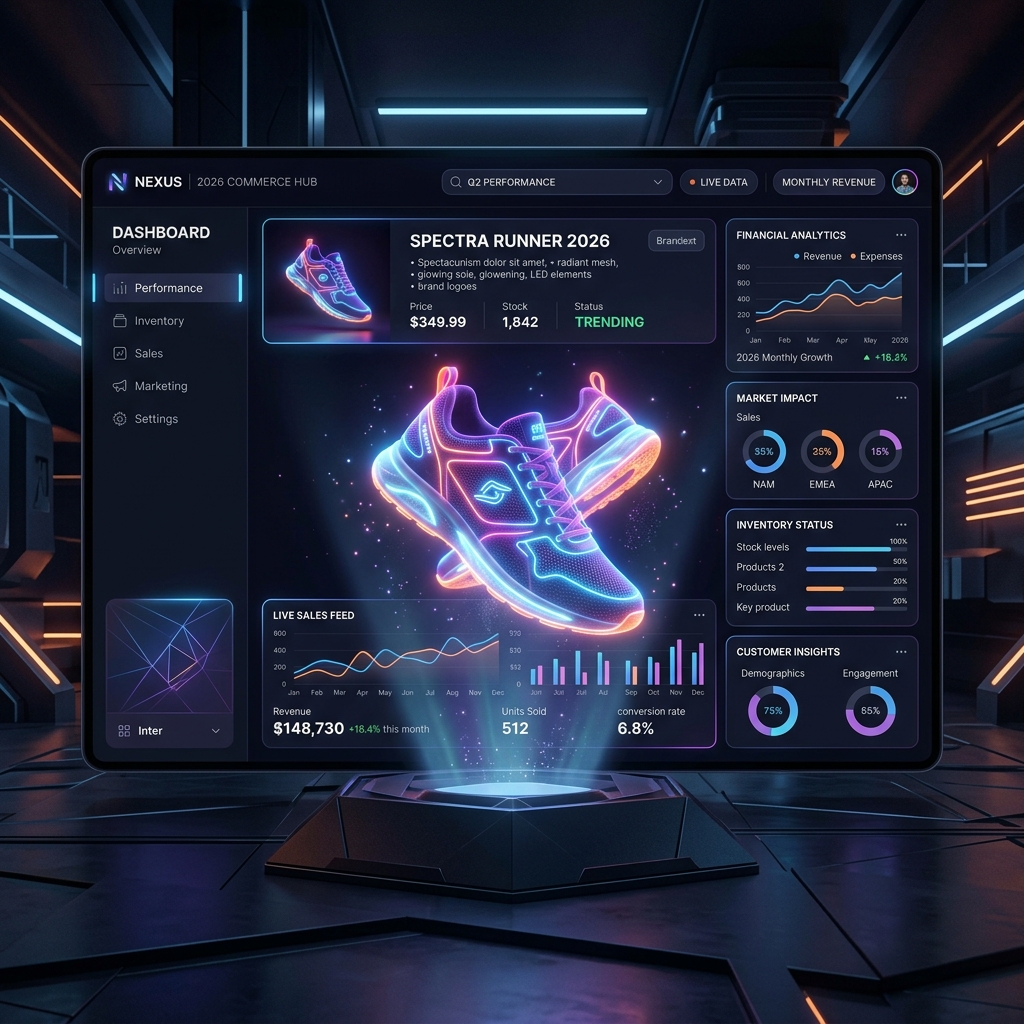
The digital shelf has evolved from a simple online catalog to an active, intelligence-driven, and highly localized system. By 2026, e-commerce has moved beyond the basic transaction processes of the past decade. Shoppers no longer need to navigate complicated category trees or complete lengthy checkouts. Instead, they expect online stores to anticipate their needs, load quickly on mobile devices, offer localized payment methods like UPI, and deliver packages nearly instantly.
For brands that want to keep their market share, transitioning to headless architectures and AI-driven workflows is essential. Let's explore the nine key trends that are reshaping online retail in 2026 and see how your business can adjust.
1. AI-Powered Personalization: Moving Beyond Recommendations
Generic product recommendation sections labeled "You May Also Like" just won't cut it anymore. In 2026, AI-powered personalization involves dynamic storefront layouts that adjust in real-time. Modern systems analyze a visitor's click patterns, active referral source, and even local weather to alter the layout they see.
- Tailored UI Layouts: If a customer often looks for technical specs, the interface highlights data sheets and comparison tables. If they prefer lifestyle images, the layout shifts to showcase brand storytelling.
- Predictive Shopping Carts: AI can identify when a regular customer is running low on items like health supplements or office supplies and can automatically fill their cart or suggest a one-click subscription reorder.
- Inventory Efficiency: By anticipating local demand spikes, retailers can stock their inventory in regional fulfillment centers, which cuts delivery times and reduces storage costs.
2. The Dominance of Mobile Commerce (M-Commerce)
Mobile devices now make up over 76% of all online retail transactions worldwide. Mobile shopping is not just a smaller version of desktop sites; it is a channel designed for easy one-handed use.
- Mobile-First Checkouts: Fingerprint and facial recognition (like Apple Pay and Google Pay), along with native UPI integrations in India, have brought mobile checkout times down to under 15 seconds.
- Instant Load Speeds: With the rise of Next.js and static site generation, mobile pages now load in under 1 second, avoiding slowdowns common with older mobile browsers.
- Micro-Interactions: Custom gestures and sticky "Add to Cart" bars help minimize user friction on small screens.
3. Faster and Smarter Delivery Solutions
Delivery speed has become a major factor in brand differentiation. With customers used to quick delivery times in groceries and pharmacies, standard 5-to-7 day shipping is leading to high cart abandonment rates.
- Same-Day and Next-Day Shipping: Mid-market brands are now teaming up with third-party logistics providers to distribute inventory across micro-fulfillment centers in key cities, making same-day shipping possible.
- Real-Time Logistics Tracking: Clear text notifications with dynamic maps showing the courier’s location have replaced vague tracking updates.
- Automated Warehouses: Robotic sorting and packaging systems ensure that orders are boxed, labeled, and loaded onto delivery trucks in under 30 minutes after purchase confirmation.
4. Secure and Flexible Payment Methods
The checkout page can be a major source of friction. Offering a good variety of secure, localized payment options directly affects the total transaction volume.
- UPI Autopay and Subscriptions: In India, UPI is now the standard for both one-time purchases and automatic subscription payments.
- Buy Now, Pay Later (BNPL) Integration: Built-in credit assessments at checkout let customers break high-ticket purchases into interest-free installments, increasing average order values by up to 22%.
- Advanced Cryptographic Security: Tokenized transactions hide customer card numbers, which helps prevent fraud and lowers overall chargeback risks.
5. Social Commerce Expansion
People are no longer leaving their favorite social media feeds to shop. Platforms like Instagram, TikTok, and YouTube have introduced in-app checkouts, making social discovery lead to quick purchases.
- Frictionless Social Buying: Users can watch an influencer's video, tap a tagged product, and complete their purchase directly in the app using their saved payment information.
- Live Stream Shopping Events: Retailers host interactive live streams where viewers can buy limited-run items in real time while asking questions and watching live demos.
- Influencer Brand Partnerships: Micro-influencers with engaged followers help drive high-conversion sales cycles because their recommendations feel genuine.
6. Sustainable E-Commerce Practices
Environmental responsibility is more than just a marketing phrase; it is key to building customer loyalty. Green-minded shoppers check a brand's packaging and delivery options before completing their purchases.
- Zero-Waste Packaging: Brands are switching to biodegradable materials, water-soluble packing peanuts, and boxes that are sized to eliminate plastic bubble wrap.
- Carbon-Neutral Shipping Choices: Consumers can choose options that help offset the impact of their delivery by supporting established climate projects during checkout.
- Circular Product Sourcing: Brands that highlight ethical material sourcing, recyclable parts, and trade-in programs for used items are gaining an edge.
7. Voice Search and Smart Shopping
The rise of smart speakers and audio assistants has made voice-driven shopping more common. Consumers use simple voice commands to find products, check shipping statuses, and reorder household goods.
- Conversational Keyword Tuning: SEO content needs to focus on how people naturally speak, using long-tail queries (like "Where can I find organic face wash that ships the same day?") instead of just short keywords.
- Hands-Free Purchases: Smart voice assistants can access past purchases and allow users to buy routine household items without needing to look at a screen.
- Accessibility Improvements: Voice-friendly websites make it easy for visually impaired customers to navigate and shop from your store.
8. Enhanced Customer Support with Automation
Customer support in 2026 relies more on automated systems to handle repetitive questions, which frees up human teams for more complex issues.
- Context-Aware AI Chatbots: Modern support bots use a customer’s purchase history and delivery tracking data to provide instant answers (for example, "Where is my order?"), resolving up to 70% of incoming queries.
- Instant Refund Processing: Automated workflows can handle returns and refunds within minutes if the transaction meets specific security and policy requirements.
- 24/7 Availability: Automated systems ensure that customers worldwide can get immediate assistance, regardless of time zone.
9. Data-Driven Decision Making
The brands that are growing the fastest in 2026 are those using predictive analytics to fine-tune their operations instead of relying on historical data.
- Cohort Value Optimization: Analyzing customer lifetime value across various channels helps allocate advertising funds to the most profitable groups.
- Predictive Churn Alerts: Machine learning models can identify accounts that may be at risk of dropping off (like reduced login frequency or fewer cart additions) and trigger automated win-back discount campaigns.
- Conversion Funnel Audits: Tracking where customers drop off in the process using modern web analytics allows for identifying and fixing checkout issues.
E-Commerce Challenges to Overcome
1. Rising Customer Acquisition Costs (CAC): Advertising networks on Meta and Google are now highly saturated, forcing brands to prioritize organic SEO, email marketing, and customer retention.
2. Strict Data Privacy Regulations: New rules like the DPDP Act in India and global GDPR requirements require brands to implement clear consent banners and focus on collecting first-party data.
3. Complex Supply Chain Issues: Rising shipping costs and regional delays mean brands must diversify their manufacturing processes and keep safety stock levels locally.
Conclusion: The Path Forward
The future of e-commerce will belong to brands that emphasize speed, security, personalization, and eco-friendliness. By moving away from slow, cumbersome website templates and investing in headless frontends, secure localized checkouts, and AI-driven automation, your business can build lasting connections with today’s shoppers.
Are you ready to improve your storefront's load speeds and increase your digital conversions?
- Book an E-Commerce Architecture Strategy Call: "Sanmora Consultation"
- Review Our Headless Case Studies: "Sanmora Case Studies"
- Email Us: info@sanmora.in