
How Website Speed Affects Google Rankings
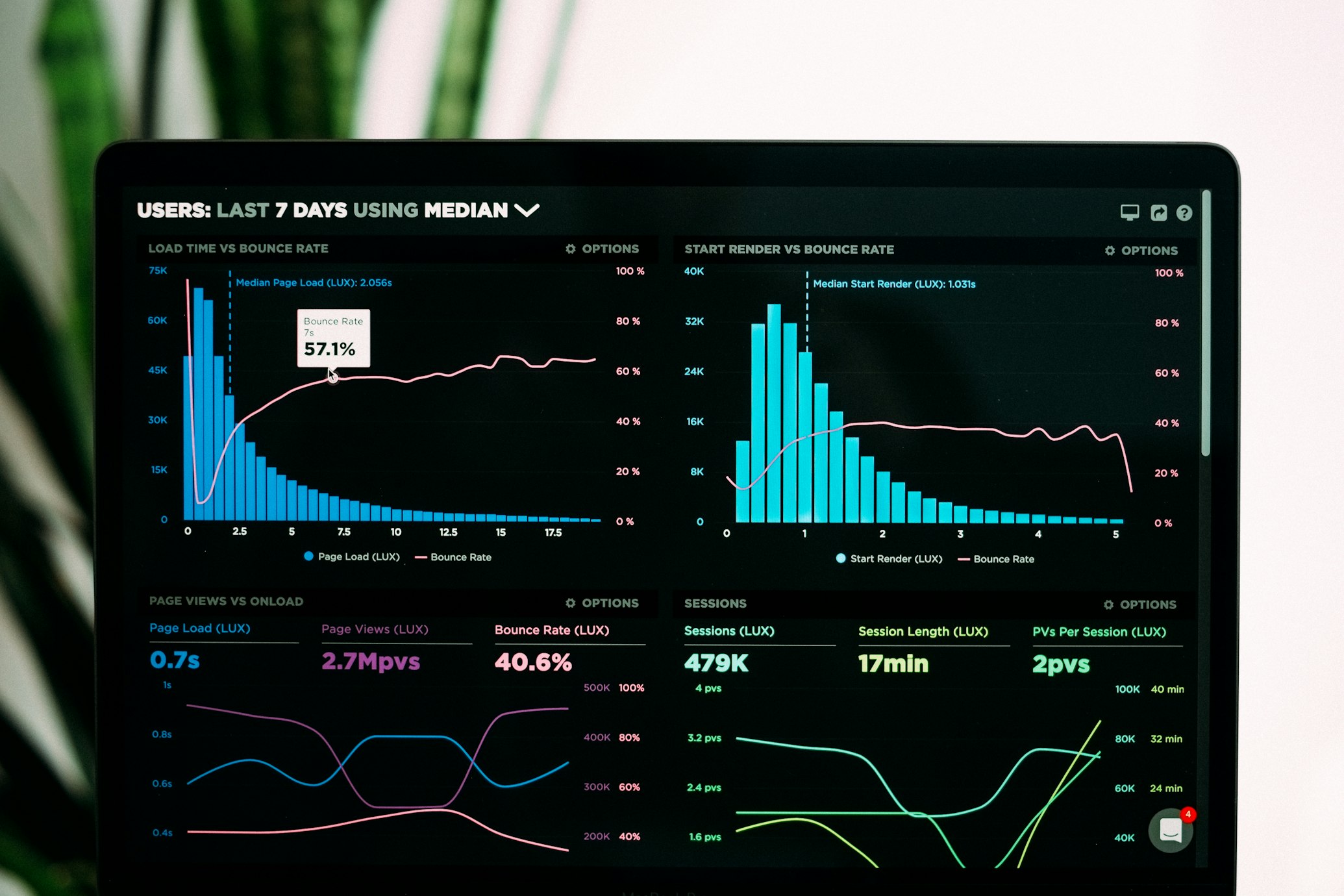
We have all heard the advice: "build a fast website." But for most business owners, speed is seen as a secondary UX goal, something to fix after the launch, once the design is polished and the copywriting is approved.
But behind the scenes, Google treats page speed as a primary ranking factor. Since the introduction of the Page Experience Update and the Core Web Vitals initiative, Google has made it clear: slow sites get lower search visibility. If your website takes more than 3 seconds to load, you're not just losing visitors; you're actively being pushed down the search results by faster competitors.
At Sanmora, we've seen this play out in real time across multiple projects. Here is exactly how Google evaluates your website's speed, why milliseconds dictate your search position, and how to optimize it.
The metrics that matter: Core Web Vitals
Google doesn't just measure a generic "load time" anymore. Instead, they use three specific metrics, known as the Core Web Vitals, to evaluate how real users experience your page speed:
1. Largest Contentful Paint (LCP): This measures how long it takes for the largest element on the screen (usually a hero image or a main headline) to render. To keep Google happy, your LCP should occur within 2.5 seconds of the page starting to load.
2. Interaction to Next Paint (INP): Newly introduced as a ranking factor in 2024 to replace First Input Delay (FID), INP measures the user interface's responsiveness. When a user clicks a button or opens a menu, does it react instantly? A good INP is under 200 milliseconds.
3. Cumulative Layout Shift (CLS): This measures visual stability. Have you ever tried to read an article on your phone, only for the text to jump down because a slow image or ad loaded at the top? Google penalizes pages that shift around, as it ruins the user experience.
Why Google cares about milliseconds
Google's business model relies on providing the best possible search experience. If a user clicks a search result and faces a blank screen for 5 seconds, they will click back to Google and try another link. To Google, this is a failed search session.
Furthermore, slow sites eat up Google's crawl budget. Googlebot uses automated scripts to crawl and index billions of web pages daily. If your server takes 2 seconds to respond to each request, Google's crawlers will scan fewer pages on your site, leading to delayed indexing of your new content or product updates.
The tangible cost of slowness: An Ahmedabad case study
Let's look at a real world example from our work here in Ahmedabad. We recently audited a local B2B manufacturer in the GIDC Industrial Estate. They had a massive catalog of industrial products, but their site was built on a heavy, unoptimized WordPress theme with dozens of active plugins.
Their homepage took 6.8 seconds to load on mobile devices, and their search rankings for high intent keywords like "industrial valve exporter Gujarat" had dropped to the second page of Google.
We rebuilt their website using Next.js, optimized their product images, and used static site generation (SSG) to pre render their product catalogs. The results were immediate:
Page load time dropped from 6.8s to 1.2s.
The bounce rate decreased by 42%.
Within 45 days, their site regained top 3 organic rankings for their core product keywords, leading to a 180% increase in monthly quote inquiries.
Actionable steps to speed up your website today
If you want to protect and improve your Google rankings, here is the performance roadmap we recommend:
Optimize your images: Never upload raw photos from digital cameras or smartphones. Resize them to their exact container dimensions and convert them to modern formats like WebP or AVIF.
Implement a CDN: Use a Content Delivery Network like Cloudflare or Vercel Edge Network. This caches your website's static files in servers worldwide, serving them to users from the closest geographic location.
Limit third party scripts: Google Tag Manager, tracking pixels, hotjar maps, and chat widgets are notorious for blocking the main thread. Defer non critical scripts so they load only after the main content is visible.
Minimize CSS & JS bundle sizes: Use code splitting and tree shaking to ensure you only ship the code that is actually needed for the active page.
A fast website is no longer a luxury or an afterthought. It is the very foundation of your organic marketing and user retention strategy.